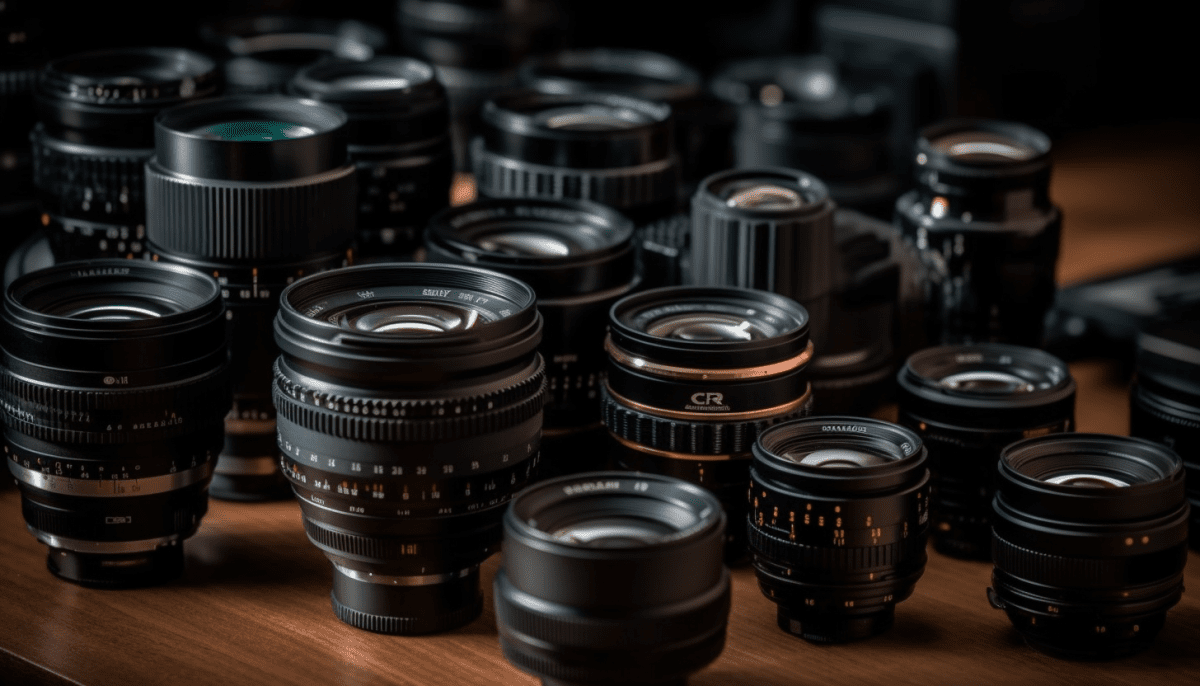
First up, we have wide-angle lenses. These babies have a shorter focal length, meaning they can capture more of a scene. They're perfect for landscape shots or when you're in tight spaces. You’ll often see photographers using them to make those majestic views really pop or to fit more people in a group shot.
Next are the standard lenses, which typically have a focal length around 50mm. These give you a field of view that’s pretty similar to what our eyes see. They’re versatile and great for just about everything: street photography, portraits, and even some close-ups. If you're only going to have one lens, a standard lens might be your best bet.
Then we have telephoto lenses. These are your go-to for zooming in on distant subjects without losing quality. Think wildlife photography or a sports game where you need to capture the action from afar. Many telephoto lenses also have a narrower depth of field, which makes your subject stand out beautifully against a blurred background.
Don't forget about macro lenses if you're into close-up photography. These lenses let you capture tiny details, like the delicate petals of a flower or the intricate patterns on an insect. They can really open up a whole new world of photography that you might not have explored yet!
Choosing the Right Lens for Your Needs
Picking the right lens can really change your photography game. It’s like choosing the perfect tool for a job. The lens you select depends on what kind of photos you want to take. Here are some things to keep in mind.
If you're into landscapes, you’ll want a wide-angle lens. These let you capture more of the scene without having to step back. A 14mm to 24mm lens is great for those sweeping vistas. On the other hand, if portraits are your thing, a prime lens, like a 50mm or 85mm, works wonders. They give you that beautiful background blur and sharp focus on your subject, making them pop in every shot.
Don’t forget about zoom lenses! They offer flexibility, letting you change your framing without swapping lenses. A 24-70mm is a popular choice for many photographers since it covers a good range for both wide shots and close-ups. This makes it perfect for events or travel where you want to keep your kit light.
Lastly, think about the lighting conditions you’ll be shooting in. A lens with a lower f-stop number, like f/1.8 or f/2.8, lets in more light, which is super handy in dim situations. This lets you shoot without a flash, giving your photos a more natural feel.
Tips for Caring for Your Lenses
Taking good care of your camera lenses can make a huge difference in the quality of your photos. You want those gorgeous shots to stay sharp and clear, right? Here are some easy tips to keep your lenses in top shape.
Start with the basics: always use a lens cap when you’re not shooting. It’s a simple step, but it protects your lens from dust, scratches, and accidental bumps. When you're out and about, a UV filter can serve as a protective shield. It won't change your images but will keep the front element safe.
Cleaning your lenses is crucial, but be gentle. Use a soft, microfiber cloth and a lens cleaning solution. Wipe in circular motions to avoid streaks or scratches. Never use your shirt or fabric that might be abrasive. When you’re dealing with dust, a blower can help get rid of particles without touching the glass.
Store your lenses in a dry, cool place. Humidity can damage the internal components. Consider using a padded bag or a dedicated lens case to protect them during travel. And if you live in an area with a lot of moisture, a silica gel pack can help absorb excess humidity.
Check your lenses regularly for any signs of damage or fungus. If you notice anything unusual, it's better to get it looked at by a professional. Keeping your gear well-maintained ensures you'll be ready to capture breathtaking photos whenever inspiration strikes!
Setting Up for Amazing Shots
Getting your camera ready for those amazing shots is super important. First off, make sure your lens is clean. Dust and smudges can mess up your photos, and no one wants that. Just a quick wipe with a microfiber cloth, and you're good to go!
Next, pay attention to the lighting. Natural light can make or break your shot. Early morning or late afternoon usually gives you that golden glow that makes everything look stunning. If you’re shooting indoors, consider using a soft light source to avoid harsh shadows.
Don’t forget about your settings, either. Depending on what you’re shooting, you might want to adjust your aperture, shutter speed, and ISO. A wider aperture is great for portraits since it blurs the background nicely. If you’re capturing action, a faster shutter speed is key to freezing the moment.
Lastly, don’t be afraid to experiment. Try different angles and perspectives. Get low to the ground or find a higher vantage point. Sometimes the best shots come from breaking the rules. Just remember, practice makes perfect!