Mirrorless cameras are a popular choice for many photographers, and for good reason. They pack a punch in a compact design. Unlike DSLRs, they ditch the mirror mechanism, which cuts down on size and weight. This makes them super portable, perfect for travel or those long photography sessions.
One of the standout features of mirrorless cameras is their electronic viewfinders (EVFs). They give you a real-time preview of your shot with the latest settings applied. This means you see what the final image will look like before you even press the shutter. It’s a game-changer, especially in tricky lighting conditions!
Many mirrorless cameras are equipped with fast autofocus systems. This helps you capture sharp images of moving subjects effortlessly. Whether you’re shooting kids on the move or wildlife, these cameras can keep up. Plus, they often shoot silently, making them great for discreet photography.
Battery life can be a bit of a drawback, as mirrorless cameras typically don’t last as long as DSLRs on a single charge. However, many models are catching up in this area. Always a good idea to have an extra battery or two when you’re out shooting!
Overall, mirrorless cameras combine innovation and ease of use. They’re perfect for anyone from hobbyists to serious photographers looking for something lighter without giving up on quality. If you’re on the hunt for a new camera, they’re definitely worth considering!
Exploring DSLR Features
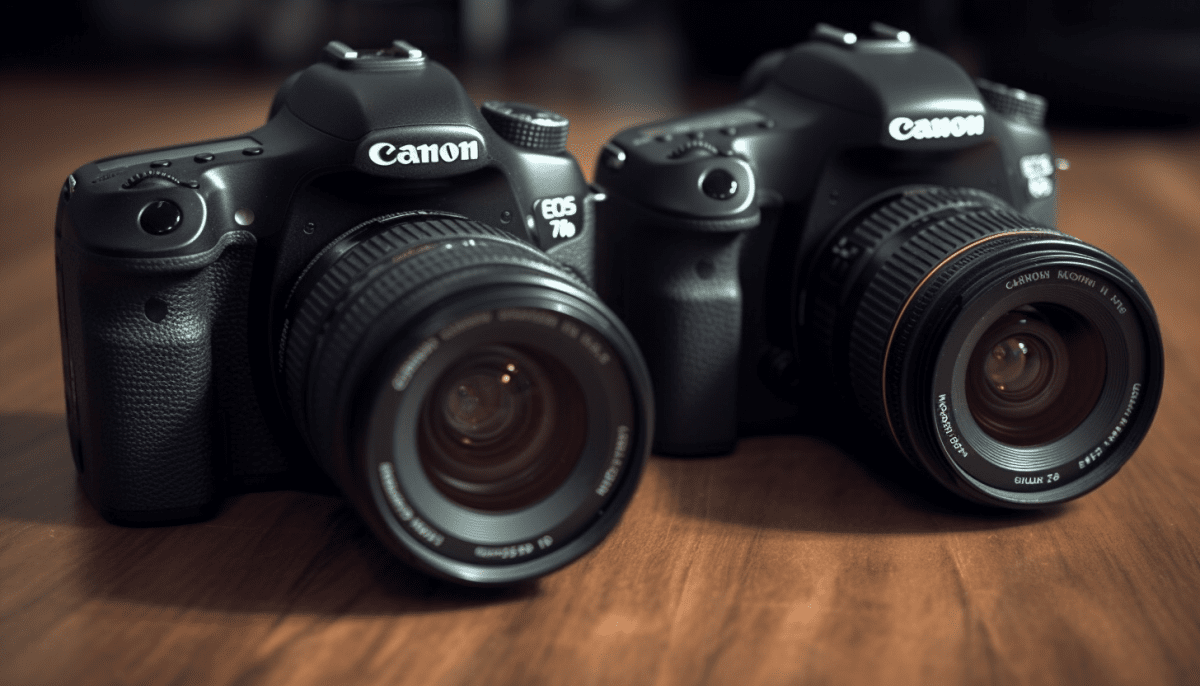
DSLRs, or Digital Single-Lens Reflex cameras, are a favorite among many photographers for a good reason. They offer a range of features that can really enhance your photography experience. First off, their optical viewfinders provide a clear and direct view through the lens, making it super easy to frame your shots. This real-time feedback helps you catch that perfect moment, every time.
One major perk of DSLRs is their battery life. Generally, they last much longer than mirrorless cameras because they don’t rely on electronic displays for previewing shots. This means fewer interruptions during your shoots, especially important for events like weddings or long outdoor sessions.
Let’s talk about autofocus. DSLRs have advanced autofocus systems that can focus quickly and accurately, especially in low-light conditions. This can be a game-changer in fast-paced situations, making sure you don't miss capturing that action shot.
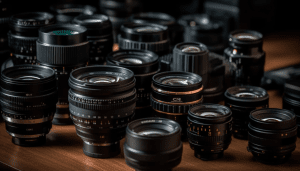
Many photographers also love the wide selection of lenses available for DSLRs. From macro to telephoto, you can choose the right lens for your style and needs. Plus, many of these lenses work with older models, making it easy to expand your collection over time.
Comparing Image Quality
When it comes to image quality, both mirrorless cameras and DSLRs have their strengths, but they deliver it in different ways. Mirrorless cameras use electronic viewfinders, meaning you get to see exactly how your shot will look before you take it. This can help you adjust settings on the fly and nail that perfect shot.
DSLRs, on the other hand, have been around longer and come with optical viewfinders. This gives you a real-time view through the lens, often with better clarity. DSLRs traditionally excel in low-light settings thanks to their larger sensors. They also handle high ISO settings like a champ, which means you can shoot without a flash and still get great results.
But let’s not forget about lenses! Both systems have a fantastic range of lenses available, but mirrorless cameras are catching up fast. Some newer mirrorless models produce stunning images with incredible detail, often rivalling their DSLR counterparts.
Another thing to consider is autofocus. Mirrorless cameras usually have faster autofocus systems, especially for video. This can make a big difference if you’re shooting moving subjects, like kids playing or pets running around.
Deciding on Your Photography Needs
Choosing between mirrorless cameras and DSLRs can feel overwhelming, but breaking it down by your photography needs makes it easier. First, think about what you plan to shoot. If you love fast-paced action like sports or wildlife, DSLRs are known for their quick autofocus and battery life. But if you’re into travel or street photography, mirrorless might be your best bet. They’re lightweight and super compact, making them easy to carry around all day.
Next, consider how much you want to dive into photography. If you're just starting out, a mirrorless camera can be more user-friendly. Many models come with features that guide you along, making the learning process enjoyable. On the other hand, if you want to get serious and experiment with lenses and settings, DSLRs have a ton of options to expand your skills.
Don’t forget about lenses! Mirrorless cameras are gaining some serious traction in terms of lens variety, but traditionally, DSLRs have the edge with a wider selection. If picking and choosing the perfect lens is a big deal for you, check out the options available for both types of cameras.
Finally, think about your budget. Generally, you’ll find a broader range of price points with DSLRs. But don’t overlook mirrorless cameras, as there are some budget-friendly options out there too. Just make sure you factor in the cost of lenses and accessories. It’s all about finding the right fit for you!